Sciatica
Sciatica and Pinched Nerves: Causes, Red Flags and Self-Care
Sciatica is pain, tingling, numbness or weakness that runs down one leg because the sciatic nerve is pressed or irritated, often by a herniated disk or spinal stenosis. It is a symptom, not a disease. Most people improve with pain relievers, ice then heat and staying active. Lost bladder or bowel control needs care right away.
Written by the Nervecept label deskUpdated
The basics01
What is sciatica?
Sciatica is pain, weakness, numbness or tingling in the leg caused by pressure on, or injury to, the sciatic nerve. MedlinePlus calls it a symptom of another problem, not a condition by itself (MedlinePlus, Sciatica).
The sciatic nerve is the thickest nerve in the body. It forms from nerve roots in the lower back, runs through the buttock and travels down the back of each leg to the foot.
Because the trouble sits near the spine, the pain is felt far away. A disk pressing on a root in the low back can make the calf or foot burn.
What "pinched nerve" means
A pinched nerve is a nerve squeezed by nearby tissue, such as a bulging disk, bone spur or thick ligament. In the low back, a pinched root is the usual source of sciatica. In the neck, the same thing sends pain down an arm.
Causes02
What causes sciatica?
The most common causes of sciatica are a herniated disk and spinal stenosis, a narrowing of the spinal canal (MedlinePlus, Sciatica). Both press on the nerve roots that join to form the sciatic nerve.
Age plays a part, since disks dry and flatten over the years. Heavy lifting with a twist, long sitting and extra weight can add strain. Sometimes a tight muscle deep in the buttock irritates the nerve.
| Feature | Sciatica | Peripheral neuropathy |
|---|---|---|
| Where the problem is | A nerve root near the lower spine (MedlinePlus, Sciatica) | The nerve ends, often in both feet (NINDS, Peripheral Neuropathy) |
| Usual pattern | One leg, from buttock down the back of the leg | Both feet first, slowly moving up |
| Common causes | Herniated disk, spinal stenosis | Diabetes, low B12, alcohol, chemotherapy |
| Often worse with | Sitting, bending, coughing | Night time and rest (NIDDK, Peripheral Neuropathy) |
| Read more | Below | Neuropathy basics |
Symptoms03
What does sciatica feel like?
Sciatica usually feels like a sharp, burning or electric pain that shoots from the lower back or buttock down one leg. It may come with tingling, numbness or a weak foot.
Many people say sitting is the worst part. A cough or sneeze can send a jolt down the leg. Walking or lying with the knees bent may ease it.
The pain often follows a stripe down the leg, and the stripe gives a clue to which root is pinched. A clinician can test strength, reflexes and feeling to narrow it down.
Warning signs04
When is sciatica an emergency?
Sciatica is an emergency when it comes with loss of bladder or bowel control, numbness in the inner thighs or around the groin, fever with back pain, or leg weakness that is getting worse fast. Get care right away (MedlinePlus, Sciatica).
These signs can mean severe pressure on the nerve roots or an infection. Fast care can protect nerve function that may not return if treatment waits.
- Sudden one-sided numbnessArm, leg or face, on one side of the body
- Face drooping, slurred speechOr trouble understanding speech
- Bladder or bowel changesLost control with back pain or numb inner thighs
- Weakness that spreadsGetting much worse over hours or days
- A foot sore that will not healOr a red, hot, swollen foot
SoonTingling, burning or numbness in the feet or hands that lasts more than a few weeks, keeps you up at night, or comes with diabetes, heavy drinking or chemotherapy: book a doctor visit and ask about B12 and blood sugar tests.
Call 911For sudden numbness or weakness on one side, a drooping face, trouble speaking, or sudden loss of bladder or bowel control.
Causes and warning signs from NINDS (NINDS, Peripheral Neuropathy) and MedlinePlus (MedlinePlus, Sciatica); foot sores from CDC (CDC, Your Feet and Diabetes).
Self-care05
How can I relieve sciatica at home?
Relieve sciatica at home with over-the-counter pain relievers, ice for the first few days and then heat, and gentle activity instead of bed rest. MedlinePlus lists all three (MedlinePlus, Sciatica).
Rest feels right but slows recovery. Short walks, done often, usually beat long hours in bed or on the couch. Return to normal tasks a little at a time as the pain allows.
Days 1-3: ice and short walks
Apply a wrapped ice pack for about 20 minutes at a time. Walk a few minutes every hour or two if you can.
After that: heat and movement
Switch to warmth. Add gentle stretches that do not sharpen the leg pain.
Pain relievers by the label
Use over-the-counter pain relievers as the package directs. Check with a pharmacist if you take a blood thinner or have kidney or stomach problems.
Back to normal, slowly
Avoid heavy lifting and twisting for a while. Sit for shorter stretches and stand up often.
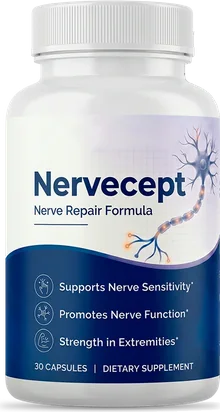
Nervecept: from $49 a bottle30 capsules · 2, 3 or 6 bottles · free US shipping on 3 or 6 · 60-day guarantee
See packsMedical care06
When should I see a doctor for sciatica?
See a doctor if sciatica is severe, keeps getting worse, lasts more than a few weeks, or follows a fall or injury. Go right away for any red flag above.
Many cases ease with self-care over weeks (MedlinePlus, Sciatica). When they do not, a doctor may suggest physical therapy, prescription medicine or a steroid injection. Surgery is kept for lasting weakness, severe pain that does not respond, or the emergency signs.
Bring a short history: when it started, what makes it worse, and every pill and supplement you take. Imaging is not always needed early; your doctor decides based on the exam.
Supplements07
Do supplements help sciatica?
No supplement has good evidence for sciatica. The ingredients sold for back and nerve pain were tested mostly in knee and hip arthritis, and even there the results are mixed.
- Glucosamine: no back-pain benefit in several trials (MSKCC, Glucosamine)
- Boswellia: back-pain data too small to judge (MSKCC, Boswellia)
- MSM: insufficient evidence (NCCIH, Chronic Pain and Complementary)
- Turmeric: not enough evidence for any use (NCCIH, Turmeric)
NCCIH also warns that FDA has found pain supplements tainted with hidden prescription drugs (NCCIH, Chronic Pain and Complementary). Natural is not the same as safe.
The product08
Is Nervecept made for sciatica?
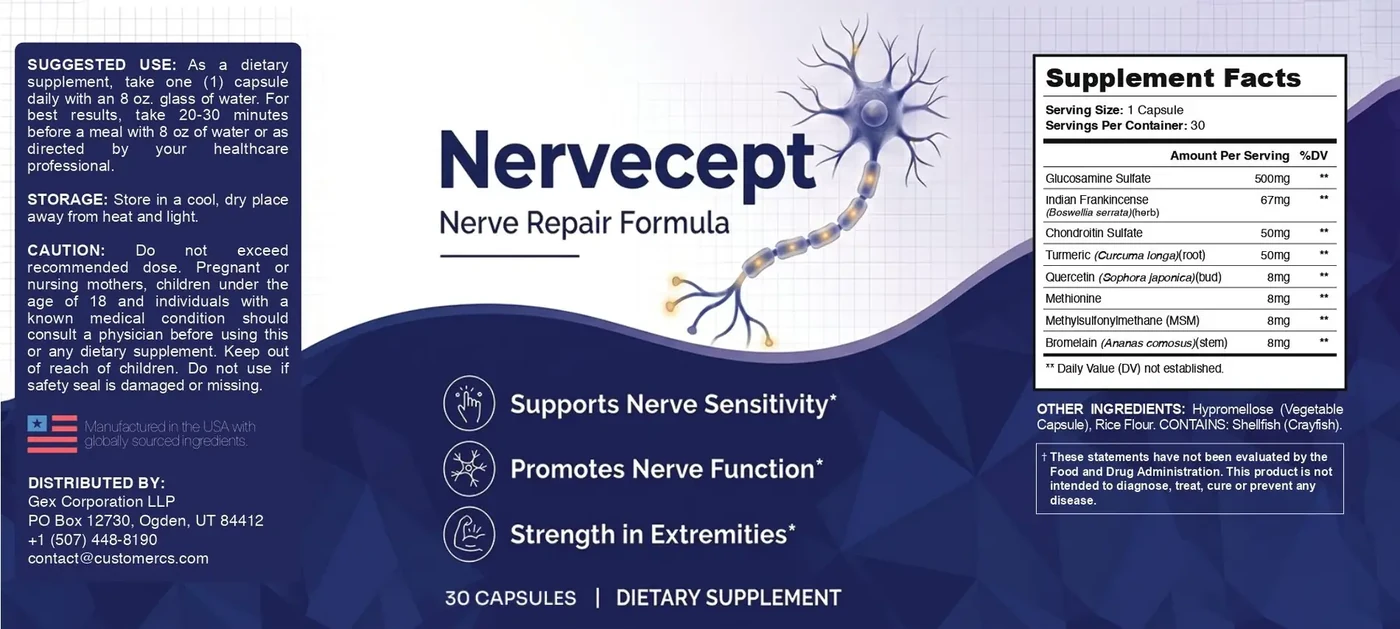
No. Nervecept is a dietary supplement with mostly joint-style ingredients, and it has never been tested for sciatica or any nerve condition. A pinched nerve root is a mechanical problem that a capsule cannot reach.
Its main ingredient, glucosamine sulfate 500 mg, is made from crayfish, so it contains shellfish. Glucosamine, turmeric and bromelain carry blood-thinner cautions, which matter if you also use pain relievers that affect bleeding. Details are on the side effects page and the who it's for page.
If a doctor prescribed a pain or nerve medicine for sciatica, keep it on schedule. A supplement is not a reason to stop or change it.
FAQ09
Sciatica questions
Can sciatica go away on its own?
Often, yes. Many people improve over several weeks with pain relievers, ice then heat and gentle activity. See a doctor if it is severe, keeps getting worse, or lasts more than a few weeks.
Is walking good for sciatica?
Usually yes. Short, frequent walks tend to help more than bed rest, which MedlinePlus advises against. Stop and rest if walking makes the leg pain much sharper, and tell your doctor.
Should I use ice or heat for sciatica?
Ice first, then heat. MedlinePlus suggests ice for the first days of pain and heat after that. Wrap ice packs in a cloth and limit each session to about 20 minutes.
Can sciatica affect both legs?
It usually affects one leg. Symptoms in both legs, especially with numbness around the groin or bladder changes, can signal severe nerve root pressure. Get care right away.
What is the difference between sciatica and a pinched nerve?
A pinched nerve is any nerve squeezed by nearby tissue. Sciatica is the leg pain that results when a nerve root feeding the sciatic nerve is pinched in the lower back.
Does glucosamine help sciatica or back pain?
The evidence says no. Memorial Sloan Kettering notes trials that found no glucosamine benefit for back pain,. It was never studied for sciatica, where the pain comes from a pressed nerve root, not a worn joint.
Who wrote this10
Written and reviewed by
Pages built from the label, the sales page and linked NIH, FDA, CDC, FTC and peer-reviewed sources.
Last updated . Read our editorial standards and how we check reviews. This website is run by a Nervecept licensed U.S. outlet, not by the manufacturer or the distributor. We earn money when you buy through our order links.
Keep reading
More about Nervecept
Nervecept licensed U.S. outlet
Ready to try Nervecept?
Check the shellfish allergen and your medicines first, then pick a pack. Three or six bottles ship free in the US and cost less per bottle, with a 60-day money-back guarantee.
- Secure checkout on the sales page
- 60-day money-back guarantee
- Ships from the U.S.