Diabetic neuropathy and feet
Diabetic Neuropathy Foot Care: Daily Checks, Shoes and Yearly Screening
Diabetic neuropathy foot care means checking both feet every day, wearing shoes and socks even indoors, keeping blood sugar in range and getting a foot exam at least once a year. Numb feet cannot feel small cuts, so daily looking replaces lost feeling. Early care of a sore greatly lowers the risk of amputation.
Written by the Nervecept label deskUpdated
The basics01
What is diabetic neuropathy in the feet?
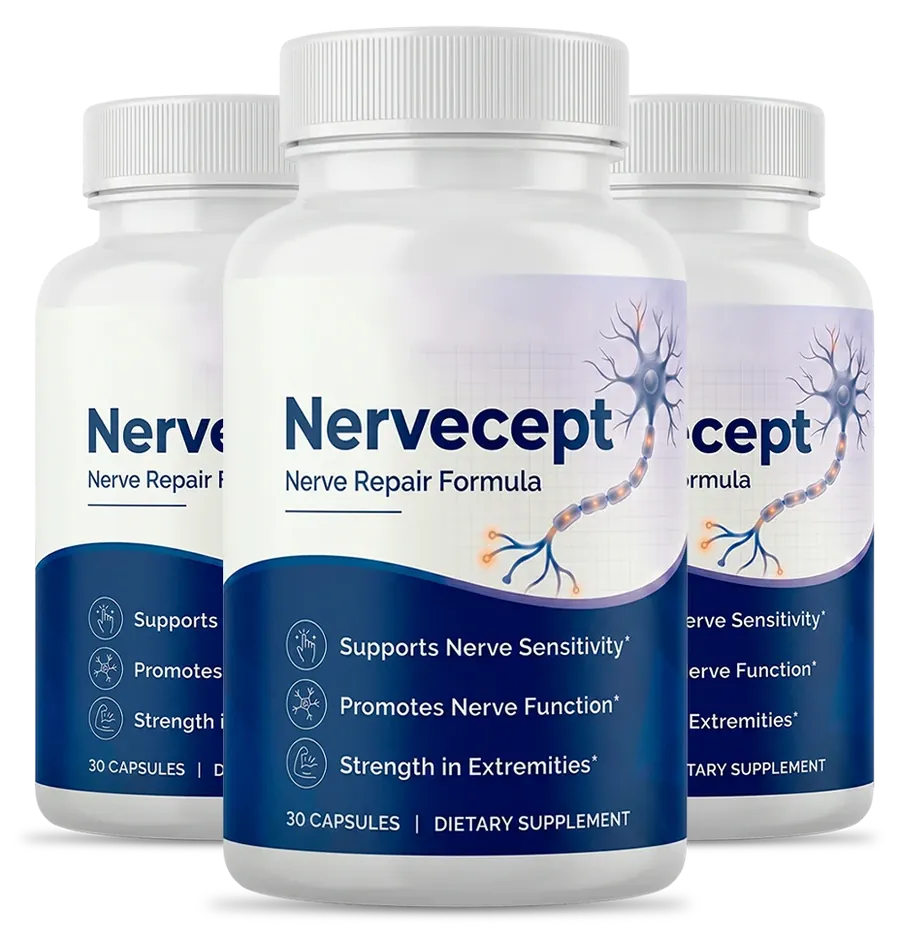
Diabetic neuropathy in the feet is nerve damage caused by years of high blood sugar and high blood fats. It usually starts in the toes and brings tingling, burning, pain or numbness (NIDDK, Diabetic Neuropathy).
It is common. NIDDK says one-third to one-half of people with diabetes have peripheral neuropathy (NIDDK, Diabetic Neuropathy), and CDC puts it at about half (CDC, Your Feet and Diabetes). Many do not notice it until a doctor tests their feet.
The danger is less the tingling than the numbness. A pebble in a shoe or a too-hot bath can injure a foot that sends no pain signal.
Why feet02
Why are feet at risk with diabetic neuropathy?
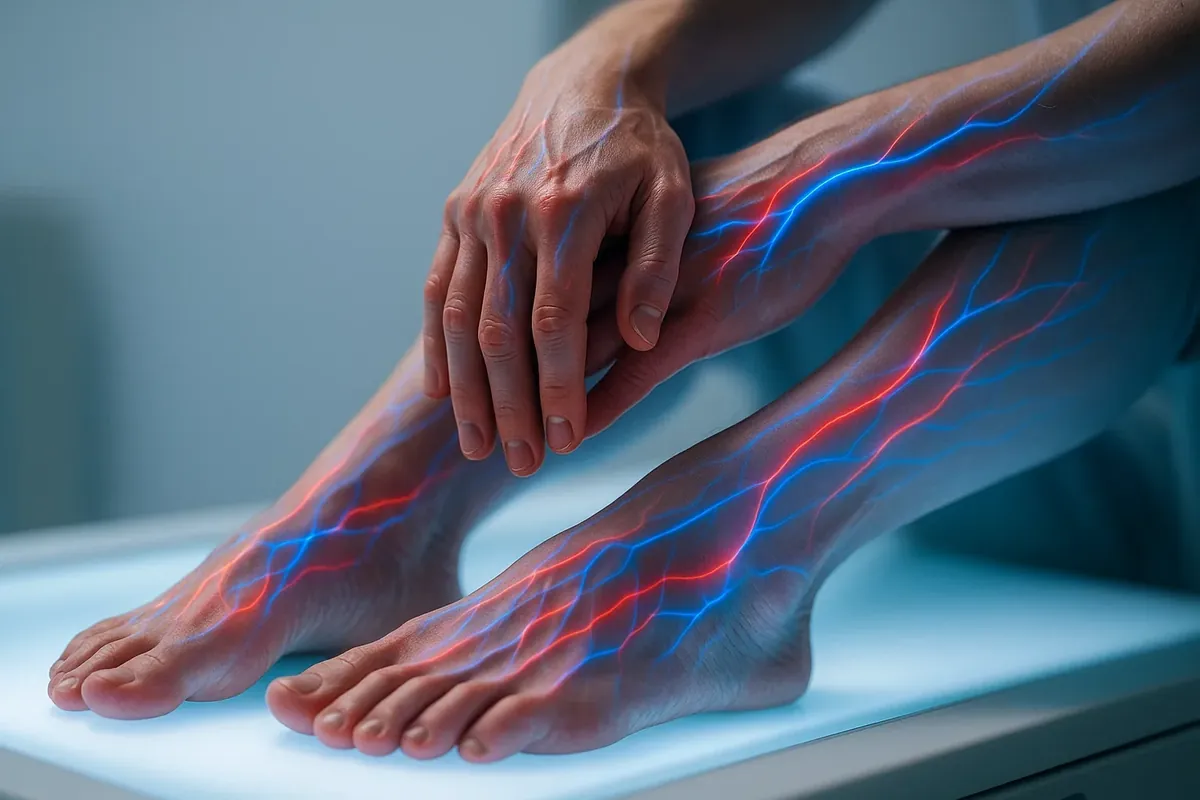
Feet are at risk because three problems stack up: lost feeling, slower healing and less blood flow. A small blister can turn into an ulcer before anyone sees it.
CDC says early treatment of foot problems greatly lowers the chance of amputation (CDC, Your Feet and Diabetes). That is the reason every step below is about catching trouble while it is small.
| Problem | Why it gets missed | What stops it |
|---|---|---|
| Cut or blister | No pain signal from numb skin | Look at both feet every day |
| Burn from hot water | Heat feels mild or not at all | Test the water with an elbow or thermometer |
| Corn or callus | Pressure builds under thick skin | Let a foot doctor treat it; do not cut it yourself (CDC, Your Feet and Diabetes) |
| Shoe rubbing | Tight spots feel normal | Fitted shoes, checked inside before wearing |
| Slow-healing sore | High glucose slows repair | Call your doctor the same week |
Blood sugar03
Does blood sugar control slow diabetic neuropathy?
Yes. Keeping blood sugar close to goal is the best-proven way to lower the risk of diabetic neuropathy or slow it down. Blood pressure and cholesterol goals matter too (NIDDK, Peripheral Neuropathy).
The clearest proof is the DCCT trial in type 1 diabetes. Over about five years, intensive glucose control cut confirmed neuropathy by 64%: 5% of people in the intensive group versus 13% on usual care (DCCT, Annals of Internal Medicine 1995).
Put simply, 13 cases in 100 people fell to 5. In type 2 diabetes the benefit of glucose control alone is more modest, so the ADA also stresses blood pressure, fats and weight (ADA, Diabetic Neuropathy Position 2017).
Every day04
How do I check my feet every day?
Check your feet once a day in good light. Look at the tops, the soles, the heels and between every toe, and use a mirror or ask someone to help if you cannot bend.
Evening works well, after shoes come off. Look for cuts, blisters, red spots, swelling and nail changes. Feel for warm spots with the back of your hand. Tick each box as you go; nothing is saved.
Daily foot check
Steps from the CDC (CDC, Your Feet and Diabetes) and NIDDK (NIDDK, Peripheral Neuropathy). Nothing is saved; the boxes clear when you leave.
Shoes and skin05
What shoes and socks are best for diabetic neuropathy?
The best shoes for diabetic neuropathy are closed, well-fitted shoes with room for the toes and a soft lining. Wear clean, dry socks with no tight bands, and wear both even indoors (CDC, Your Feet and Diabetes).
Buy shoes late in the day, when feet are largest. Shake them out and run a hand inside before each wear. Ask your doctor whether you qualify for fitted diabetic shoes or inserts.
- Wash feet daily in warm, not hot, water and dry well between the toes.
- Use lotion on dry skin, but not between the toes.
- Trim nails straight across and file sharp edges.
- Never walk barefoot, even at the beach or pool.
- Skip heating pads and hot water bottles on numb feet.
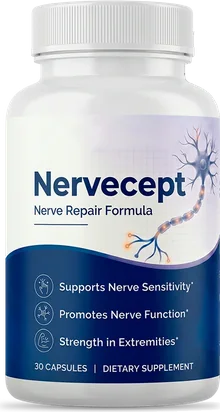
Nervecept: from $49 a bottle30 capsules · 2, 3 or 6 bottles · free US shipping on 3 or 6 · 60-day guarantee
See packsA daily rhythm06
What does a foot-friendly day look like with diabetes?
A foot-friendly day has a steady pattern: medicine on time, movement after a meal, a foot check in the evening and enough sleep. Habits tied to set times are easier to keep.
A short walk after lunch helps blood sugar and fitness. Exercise is also one of the non-drug options in the neurology guideline for painful diabetic neuropathy (AAN, Painful Diabetic Neuropathy 2022). The dial shows one sample day; your care team can adjust it.
- Morning, about 7:00
One capsule with 8 oz of water, 20-30 minutes before breakfast, as the label suggests. Prescribed medicine stays on its own schedule.
- A walk after lunch
Exercise is one of the non-drug options neurology guidelines list for painful diabetic neuropathy.
- Evening foot check
Look at both feet every day for cuts, blisters and red spots, and wear shoes and socks, as the CDC advises.
- Night, 7 to 9 hours
Nerve symptoms often feel worse at night. Note them in a log to show your doctor.
Exercise from the AAN guideline (AAN, Painful Diabetic Neuropathy 2022); foot care from CDC (CDC, Your Feet and Diabetes); night symptoms from NIDDK (NIDDK, Peripheral Neuropathy). The capsule time is the label suggestion; your doctor can change it.
Screening07
How often should feet be checked by a doctor with diabetes?
At least once a year. The ADA says people with type 2 diabetes, and people with type 1 for five years or more, should be screened for neuropathy every year, including a 10-gram monofilament foot test (ADA, Diabetic Neuropathy Position 2017).
CDC adds a look at your feet at every visit (CDC, Your Feet and Diabetes). Take your socks off in the exam room so it is not skipped.
- Every day
Your own foot check, at home.
- Every visit
Bare feet in the exam room; mention any new sore.
- Every year
A full foot exam with the monofilament test, and a talk about pain or numbness.
A red, hot or swollen foot, a sore with drainage, or a cut that is not healing needs care quickly. Do not wait for the yearly visit.
Supplements08
Can Nervecept replace diabetic foot care?
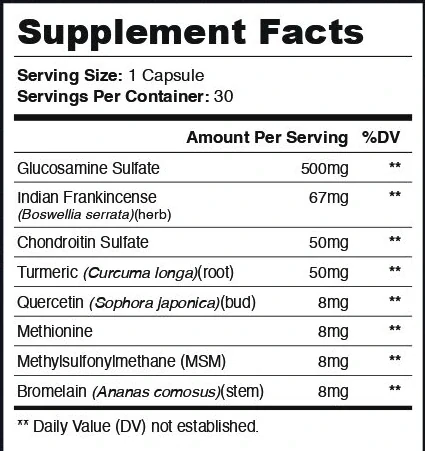
No. Nervecept is a dietary supplement with mostly joint ingredients, and no trial has tested it for diabetic neuropathy. Foot checks, shoes and glucose control are what the evidence supports.
Two points matter for people with diabetes. Glucosamine, the main ingredient at 500 mg, may raise blood glucose or worsen insulin resistance in some people (NCCIH, Glucosamine and Chondroitin) (MSKCC, Glucosamine). It is made from crayfish, so the capsule contains shellfish. Read the shellfish allergen page first.
If you try it, check glucose as usual and tell your care team. The label timing is on the how to take it page.
Insulin, metformin and every other diabetes medicine stay on schedule. Never stop or cut a dose because you began a supplement.
FAQ09
Diabetic foot care questions
Can I soak my feet if I have diabetic neuropathy?
Short washes are better than long soaks. Soaking can dry and crack the skin. Use warm, not hot, water, test it with your elbow, and dry well between the toes afterward.
What is the monofilament foot test?
A clinician presses a thin 10-gram nylon filament on several spots of your sole. Missing the touch means the foot has lost some of its warning sense. The ADA advises this test yearly for most adults with diabetes.
Should I cut my own corns with diabetic neuropathy?
No. CDC advises against removing corns or calluses yourself, because a small cut on a numb foot can become an ulcer. A podiatrist or your doctor should treat them.
How much did tight glucose control lower neuropathy in the DCCT?
By 64%. In type 1 diabetes over about five years, confirmed neuropathy fell from 13% with usual care to 5% with intensive control. Nerve conduction problems also dropped.
Are diabetic socks worth buying?
They can help. Look for soft, seamless socks that wick moisture and have no tight top band. Plain clean, dry socks also work. The key is wearing socks and shoes every day.
Is walking safe with numb feet from diabetes?
Usually yes, with good shoes and a foot check afterward. Walking helps blood sugar. Ask your doctor first if you have an open sore, a foot deformity or poor balance.
Who wrote this10
Written and reviewed by
Pages built from the label, the sales page and linked NIH, FDA, CDC, FTC and peer-reviewed sources.
Last updated . Read our editorial standards and how we check reviews. This website is run by a Nervecept licensed U.S. outlet, not by the manufacturer or the distributor. We earn money when you buy through our order links.
Keep reading
More about Nervecept

Nervecept licensed U.S. outlet
Ready to try Nervecept?
Check the shellfish allergen and your medicines first, then pick a pack. Three or six bottles ship free in the US and cost less per bottle, with a 60-day money-back guarantee.
- Secure checkout on the sales page
- 60-day money-back guarantee
- Ships from the U.S.