Blog
Neuropathy Shoes and Insoles: What CDC Advice Covers
Neuropathy shoes and insoles are footwear made to protect numb or sensitive feet. CDC advises wearing shoes and socks even indoors and checking your feet every day. We found no sourced rules for choosing a brand or insole, so ask your doctor or a foot specialist about fit.
Written by the Nervecept label deskUpdated · 4 min read
Why do shoes matter with neuropathy?
Shoes matter because numb feet may not feel an injury. CDC says about half of all people with diabetes have some nerve damage, most often in the feet and legs (CDC, Your Feet and Diabetes).
A small cut or sore can go unnoticed. CDC says early treatment greatly lowers the risk of amputation, so catching problems early is the goal.
This is why footwear and foot checks come first, before any product. A daily look takes about a minute. It is the cheapest tool in this post.
What footwear advice does CDC give?
CDC advises wearing shoes and socks at all times, even indoors. It also tells people to wash and dry their feet and not to remove corns themselves (CDC, Your Feet and Diabetes).
| Step | What to do |
|---|---|
| Check | Look at your feet every day |
| Wash | Wash and dry them |
| Cover | Wear shoes and socks, even indoors |
| Corns | Do not remove them yourself |
| Visits | Have feet checked at every visit and get a yearly foot exam |
Shoes are one part of the plan. CDC also lists staying active, not smoking and keeping blood sugar in range. Each one helps protect feet over time.
The CDC page we cite does not rate shoe brands or insoles. We will not either.
How do you choose neuropathy shoes and insoles?
Choose them with a clinician who has seen your feet. Our sources give no fit rules, so we will not invent any.
Bring your current shoes to the visit. Wear the socks you use every day. Ask which parts of your foot need protection, and what to change if you see a sore or a red spot.
New footwear is a good time to run the check below. Stop wearing anything that causes a sore, and tell your care team at once. Do not wait for the next visit.
Daily foot check
Steps from the CDC (CDC, Your Feet and Diabetes) and NIDDK (NIDDK, Peripheral Neuropathy). Nothing is saved; the boxes clear when you leave.
How do you pair a foot check with a daily routine?
Tie the check to something you already do each day. A habit sticks when it has a fixed place.
Morning
Put on clean socks and shoes before you walk.
Evening
Take off your shoes, wash and dry your feet, then look at each one.
Weekly
Shake out your shoes and feel inside for rough spots.
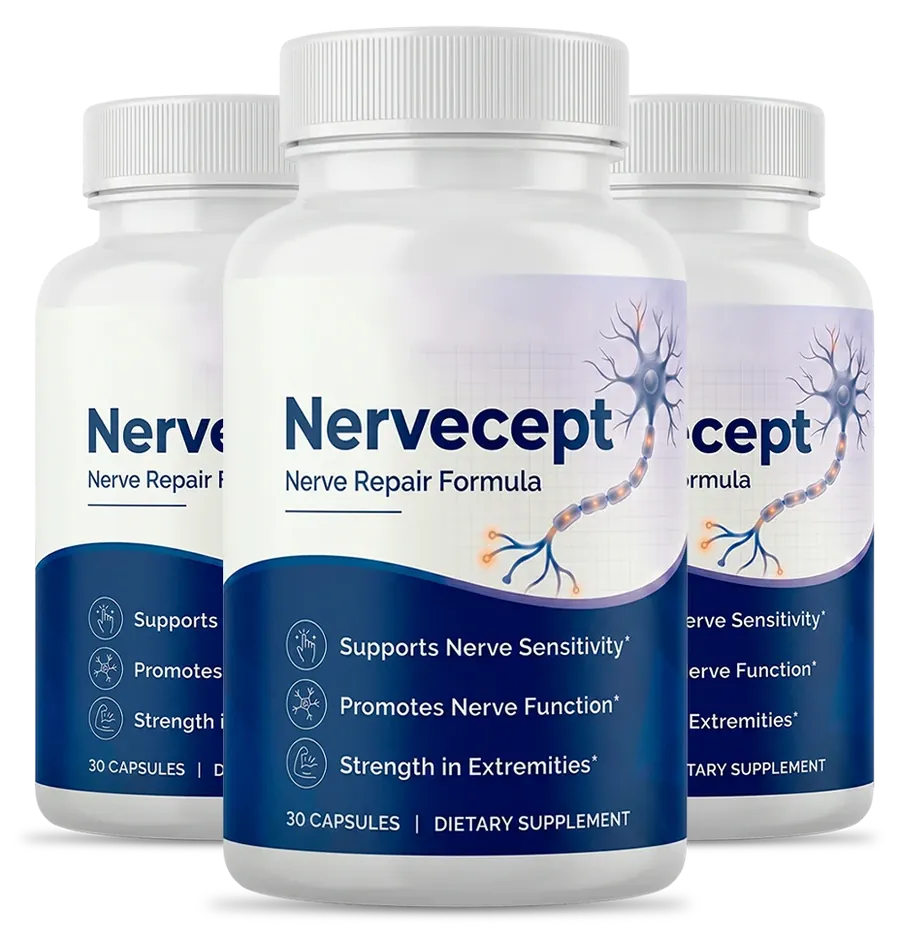
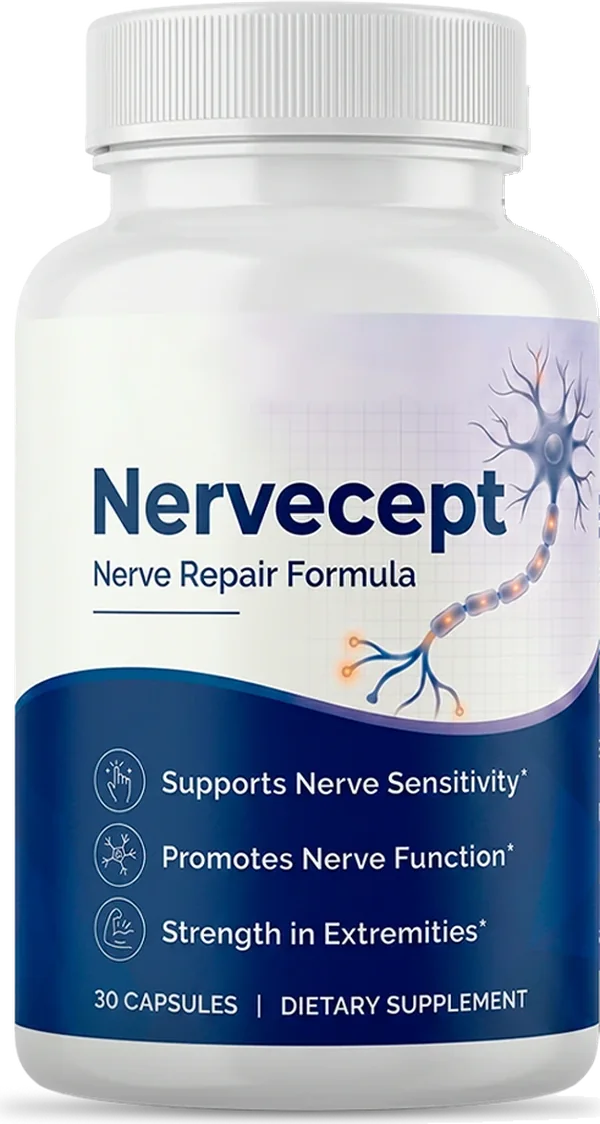
If you also take a supplement, link it to the same routine. Nervecept is one capsule a day with 8 oz of water, and it contains shellfish (crayfish). The capsule does not replace footwear, a foot exam or prescribed medicine. Keep taking any medicine your doctor gave you. See the foot care guide for more.
FAQ01
Nervecept questions people ask
Should I wear shoes indoors with neuropathy?
CDC advises wearing shoes and socks even indoors if you have diabetes. Numb feet may not feel a splinter or a cut, so cover them.
Can I trim my own corns?
CDC says not to remove corns yourself. Ask your foot doctor or care team to handle them.
How often should a doctor check my feet?
CDC says to have your feet checked at every visit and to get a foot exam at least once a year.
Who wrote this02
Written and reviewed by
Pages built from the label, the sales page and linked NIH, FDA, CDC, FTC and peer-reviewed sources.
Last updated . Read our editorial standards and how we check reviews. This website is run by a Nervecept licensed U.S. outlet, not by the manufacturer or the distributor. We earn money when you buy through our order links.
Keep reading
More about Nervecept
Nervecept licensed U.S. outlet
Ready to try Nervecept?
Check the shellfish allergen and your medicines first, then pick a pack. Three or six bottles ship free in the US and cost less per bottle, with a 60-day money-back guarantee.
- Secure checkout on the sales page
- 60-day money-back guarantee
- Ships from the U.S.