Blog
Nerve Conduction Study: What the Sources Say and What to Ask
A nerve conduction study is a test of how well signals travel along your nerves. Doctors and researchers use it to measure nerve problems. We found no sourced detail on how it feels or how long it takes, so ask your doctor what to expect. Do not start a supplement in place of getting tested.
Written by the Nervecept label deskUpdated · 4 min read

What is a nerve conduction study?
A nerve conduction study is a test that checks how well nerves carry signals. The name says what it measures: conduction along a nerve.
We cite only what our sources state. Our NINDS source says that diagnosing peripheral neuropathy starts with finding the cause, and that there are more than 100 types (NINDS, Peripheral Neuropathy). It is a short summary, so it does not walk through each test.
We will not describe the steps, the sensation or the length of the visit. Those details come from the clinic that does the test.
How is a nerve conduction study used in research?
Researchers use abnormal nerve conduction as a measured outcome. The DCCT trial in type 1 diabetes is a clear example (DCCT, Annals of Internal Medicine 1995).
In that trial, intensive glucose control over about 5 years cut confirmed clinical neuropathy by 64%. Abnormal nerve conduction fell by 44%. Abnormal autonomic function fell by 53%.
| Measure | Drop with intensive control |
|---|---|
| Confirmed clinical neuropathy | 64% |
| Abnormal nerve conduction | 44% |
| Abnormal autonomic function | 53% |
The trial tested glucose control, not a supplement. It shows that nerve tests can track real change over years.
Do you need a nerve conduction study to be screened?
Not necessarily. The ADA position says people with type 2 diabetes, and those with type 1 for 5 or more years, should be screened every year (ADA, Diabetic Neuropathy Position 2017).
That screening includes a 10-g monofilament foot test. The ADA text we cite does not require a nerve conduction study for screening. Your doctor decides when more testing helps.
NIDDK also advises a foot exam at least once a year and a daily foot check at home (NIDDK, Peripheral Neuropathy).
- Sudden one-sided numbnessArm, leg or face, on one side of the body
- Face drooping, slurred speechOr trouble understanding speech
- Bladder or bowel changesLost control with back pain or numb inner thighs
- Weakness that spreadsGetting much worse over hours or days
- A foot sore that will not healOr a red, hot, swollen foot
SoonTingling, burning or numbness in the feet or hands that lasts more than a few weeks, keeps you up at night, or comes with diabetes, heavy drinking or chemotherapy: book a doctor visit and ask about B12 and blood sugar tests.
Call 911For sudden numbness or weakness on one side, a drooping face, trouble speaking, or sudden loss of bladder or bowel control.
Causes and warning signs from NINDS (NINDS, Peripheral Neuropathy) and MedlinePlus (MedlinePlus, Sciatica); foot sores from CDC (CDC, Your Feet and Diabetes).
What should you ask before a nerve conduction study?
Ask the clinic what to expect, how to prepare and who will explain the result. Written answers are easy to keep.
Why this test?
Ask what question the test answers for you.
How to prepare?
Ask about clothing, lotions and your medicines.
What will it feel like?
Ask for a plain description and how long it takes.
What happens next?
Ask how and when you will hear the result.
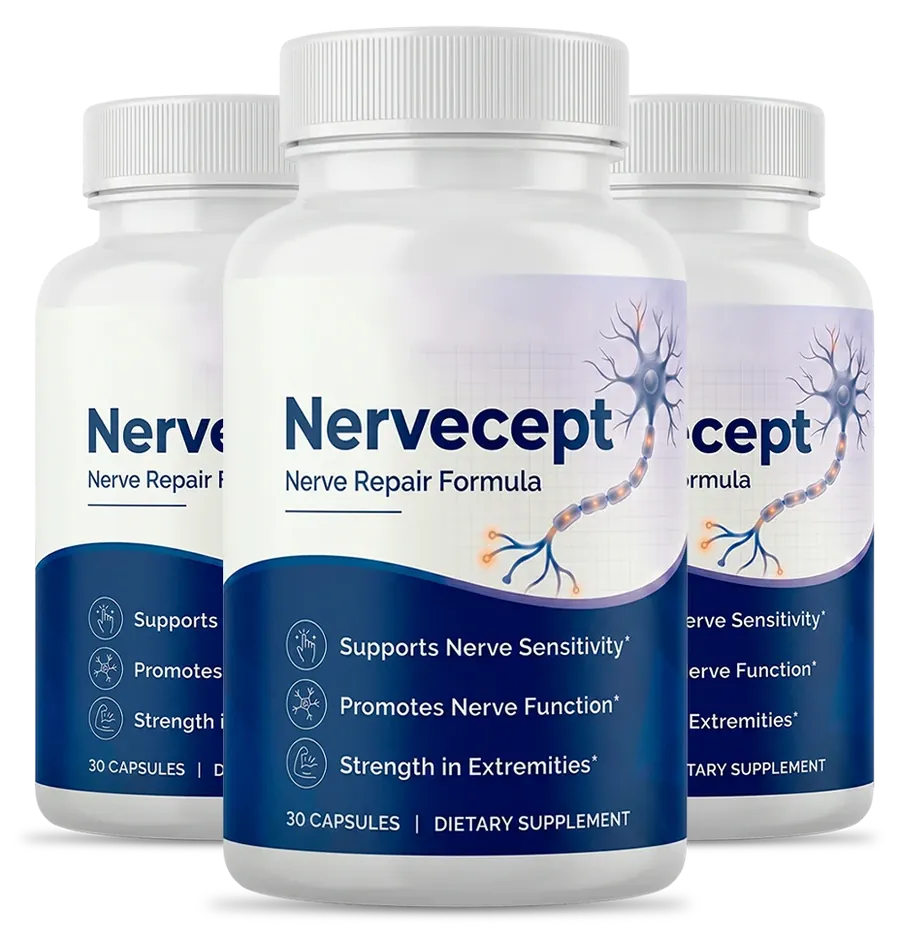
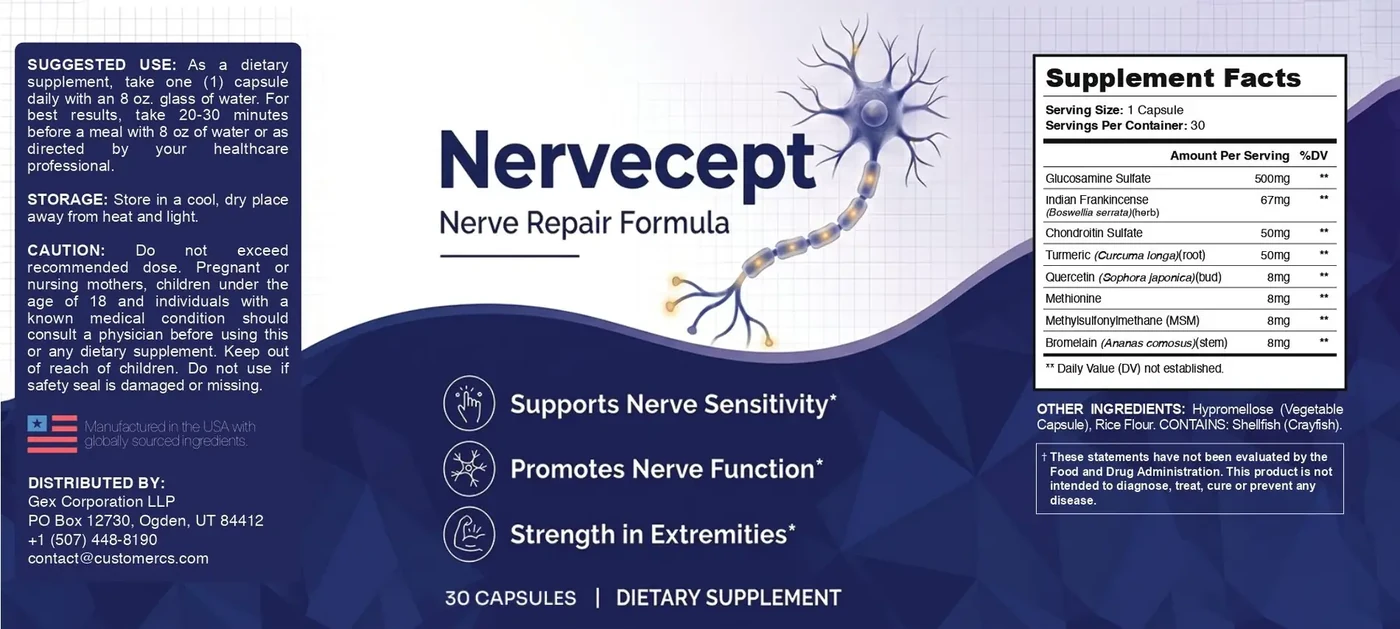
Tell the team about every supplement you take. Nervecept, for one, lists eight ingredients and contains shellfish (crayfish). Keep taking prescribed medicine. See our peripheral neuropathy basics for the wider picture.
FAQ01
Nervecept questions people ask
Will I feel pain during my nerve conduction study appointment?
We found no sourced answer about pain, so we will not guess. Ask the clinic to describe the sensation before your visit, and tell the staff if anything is uncomfortable.
Can a supplement change my nerve conduction results?
We found no trial showing that for Nervecept. The DCCT linked glucose control to fewer abnormal results in type 1 diabetes. Ask your doctor what could change your numbers.
How often should I be screened for diabetic neuropathy?
The ADA position says every year for people with type 2 diabetes, and for type 1 after 5 years. Screening includes a monofilament foot test.
Who wrote this02
Written and reviewed by
Pages built from the label, the sales page and linked NIH, FDA, CDC, FTC and peer-reviewed sources.
Last updated . Read our editorial standards and how we check reviews. This website is run by a Nervecept licensed U.S. outlet, not by the manufacturer or the distributor. We earn money when you buy through our order links.
Keep reading
More about Nervecept

Nervecept licensed U.S. outlet
Ready to try Nervecept?
Check the shellfish allergen and your medicines first, then pick a pack. Three or six bottles ship free in the US and cost less per bottle, with a 60-day money-back guarantee.
- Secure checkout on the sales page
- 60-day money-back guarantee
- Ships from the U.S.