Blog
Glucosamine for Nerve Pain: What the Research Covers
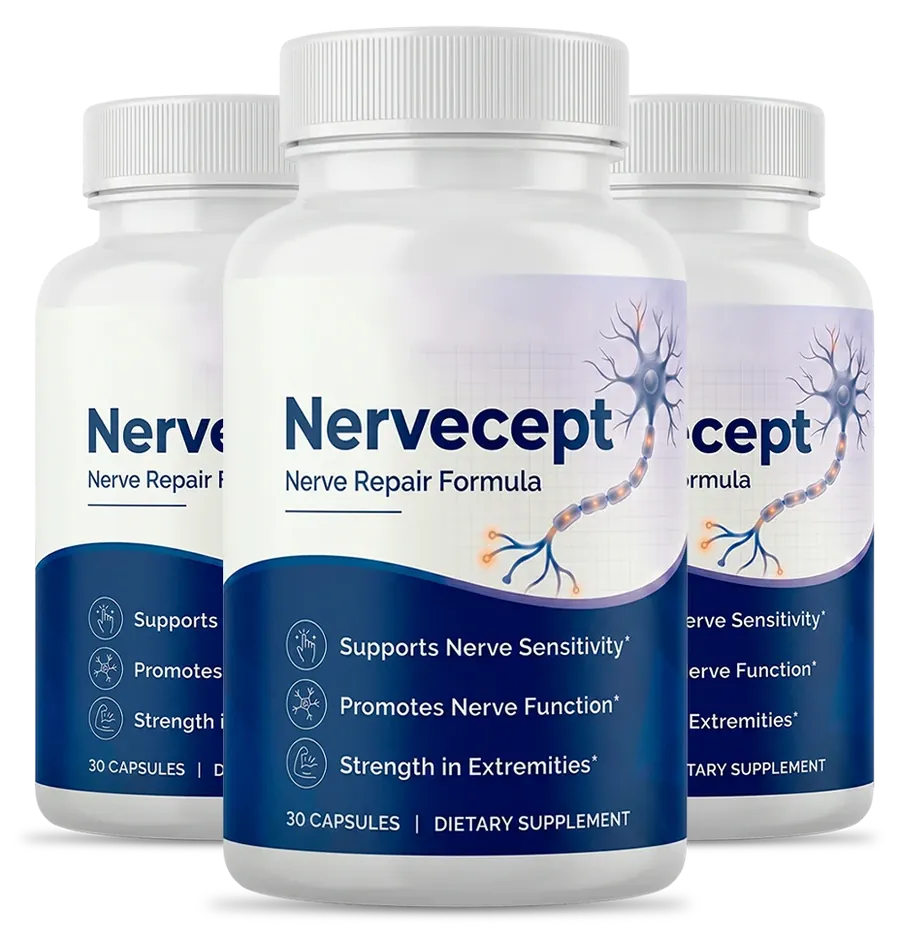
Glucosamine for nerve pain has thin support. It is a joint ingredient, and the large trials tested it in knee and hip arthritis, not in nerves. We found no human nerve trial. Nervecept holds 500 mg per capsule, one third of the 1,500 mg a day used in studies, and it contains shellfish.
Written by the Nervecept label deskUpdated · 4 min read
What is glucosamine, and is it used for nerve pain?
Glucosamine is an amino sugar sold for joints and cartilage. Nervecept's is made from crayfish shells.
The research does not cover nerve use. NCCIH describes it only for joints (NCCIH, Glucosamine and Chondroitin), and its chronic pain page lists no supplement as effective for peripheral neuropathy (NCCIH, Chronic Pain and Complementary).
What do glucosamine studies actually show?
They show mixed or no benefit for joint pain. In the GAIT trial of 1,583 people with knee arthritis, glucosamine at 1,500 mg a day did not beat placebo overall (Clegg et al., NEJM 2006 (GAIT)).
A Cochrane review of 25 trials found benefit only for one branded preparation. Other preparations showed no clear benefit (Cochrane, Glucosamine for OA (2005)). Guidelines strongly recommend against glucosamine for hip and knee arthritis (NCCIH, Chronic Pain and Complementary).
| Source | Setting | Finding |
|---|---|---|
| GAIT trial | Knee arthritis | No better than placebo overall |
| Cochrane review | Arthritis | Benefit only for one brand |
| Nerve trials | Neuropathy | None found |
How does Nervecept's glucosamine dose compare?
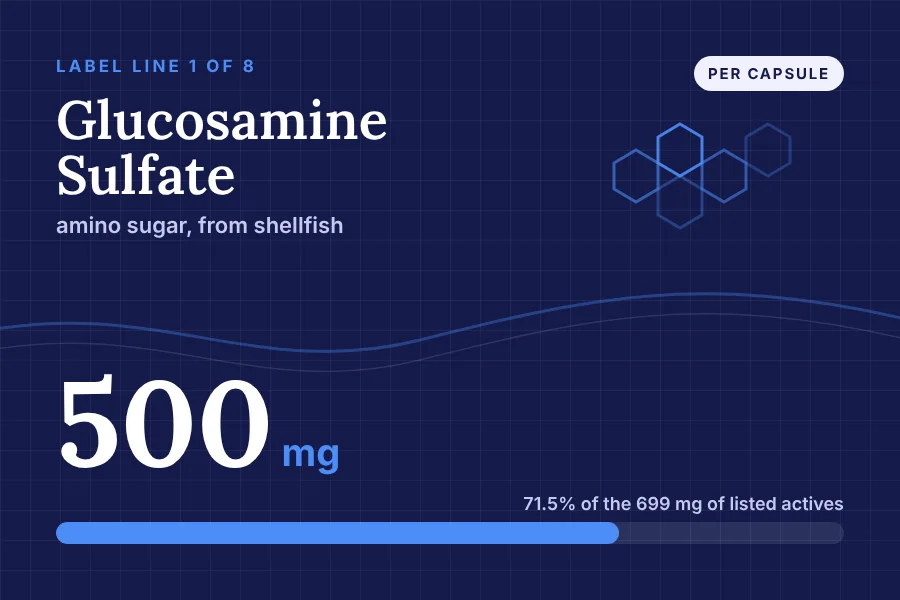
Nervecept holds 500 mg of glucosamine sulfate per capsule. The usual package dose is 1,500 mg a day (Cochrane, Glucosamine for OA (2005)), so one capsule is a third of it.
A small dose does not prove no effect. A matching dose would not prove a nerve benefit, because the studies were about joints. Each line against its studied amount:
Is glucosamine safe for everyone?
No. People with shellfish allergy should ask a provider first, because glucosamine supplements may cause an allergic reaction (MSKCC, Glucosamine).
NCCIH reports a bleeding risk in people taking warfarin, and glucosamine may raise blood glucose in some people (NCCIH, Glucosamine and Chondroitin). Nervecept's label says CONTAINS: Shellfish (Crayfish).
Do not stop a nerve, pain or diabetes medicine because of a supplement. Ask your doctor or pharmacist before you start.
More on this ingredient is on the glucosamine sulfate page. Bottles are $79, $69 or $49 each, and the sales page offers a 60-day money-back guarantee. See pricing.
FAQ01
Nervecept questions people ask
Can glucosamine help damaged nerves?
No source we use shows that. The trials tested joints, and we found no human nerve trial. Nerve damage needs its cause found and treated by a clinician.
Can glucosamine affect blood sugar?
It may. NCCIH says glucosamine may raise blood glucose in some people, and MSKCC says it may worsen insulin resistance (NCCIH, Glucosamine and Chondroitin) (MSKCC, Glucosamine). Check with your doctor if you have diabetes.
Who wrote this02
Written and reviewed by
Pages built from the label, the sales page and linked NIH, FDA, CDC, FTC and peer-reviewed sources.
Last updated . Read our editorial standards and how we check reviews. This website is run by a Nervecept licensed U.S. outlet, not by the manufacturer or the distributor. We earn money when you buy through our order links.
Keep reading
More about Nervecept
Nervecept licensed U.S. outlet
Ready to try Nervecept?
Check the shellfish allergen and your medicines first, then pick a pack. Three or six bottles ship free in the US and cost less per bottle, with a 60-day money-back guarantee.
- Secure checkout on the sales page
- 60-day money-back guarantee
- Ships from the U.S.