Blog
Glucosamine and Warfarin: What the Reports Say
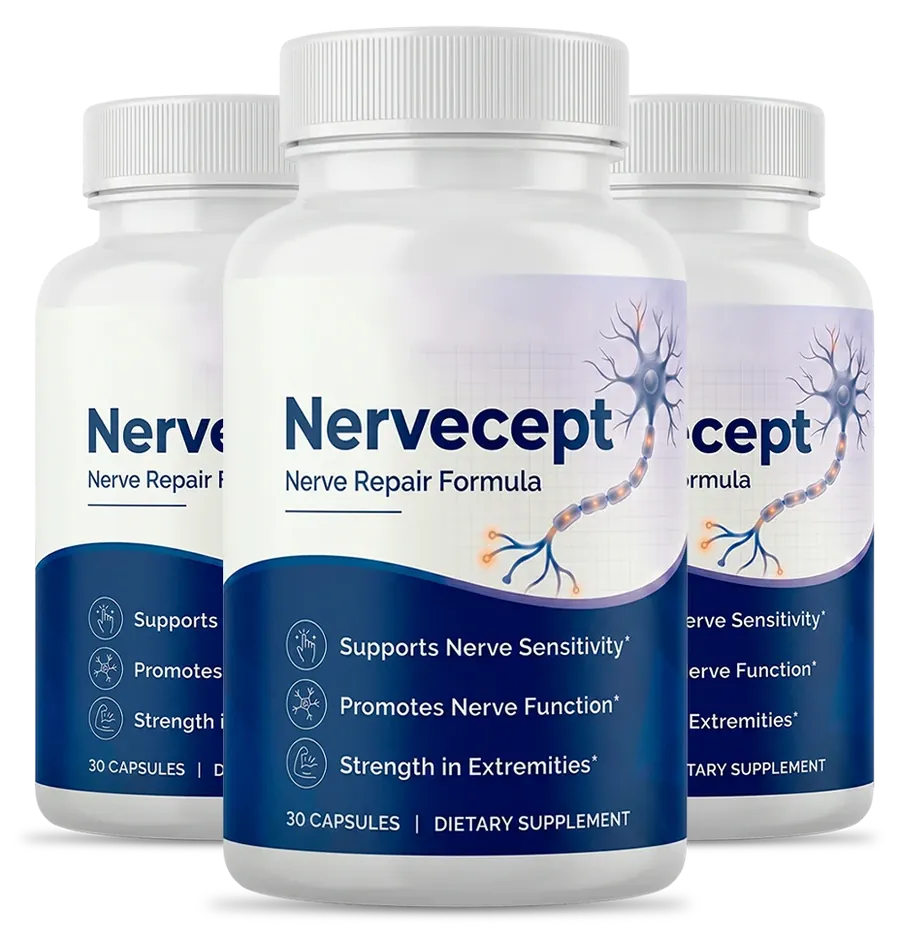
Glucosamine and warfarin may interact. Memorial Sloan Kettering says glucosamine with chondroitin may raise INR, the blood test that tracks warfarin. NCCIH links both to bleeding risk. Nervecept holds both, so anyone on a blood thinner should ask their clinic first. The studies are small, so the size of the risk is unknown.
Written by the Nervecept label deskUpdated · 4 min read
Can glucosamine and warfarin be taken together?
Glucosamine and warfarin should be combined only with your clinic's approval. Memorial Sloan Kettering says glucosamine with chondroitin may boost warfarin and raise INR (MSKCC, Glucosamine). NCCIH also notes bleeding risk in people who take warfarin (NCCIH, Glucosamine and Chondroitin).
INR is a blood test. It shows how long your blood takes to clot. Warfarin users aim for a set range, and a rise can mean easier bruising or bleeding.
The sources do not give a number for how much INR may rise. They also do not say how many people are affected. When something is unknown, we say so.
Never stop or change warfarin because of a supplement. Call your clinic or pharmacist for any change.
Does Nervecept contain glucosamine and chondroitin?
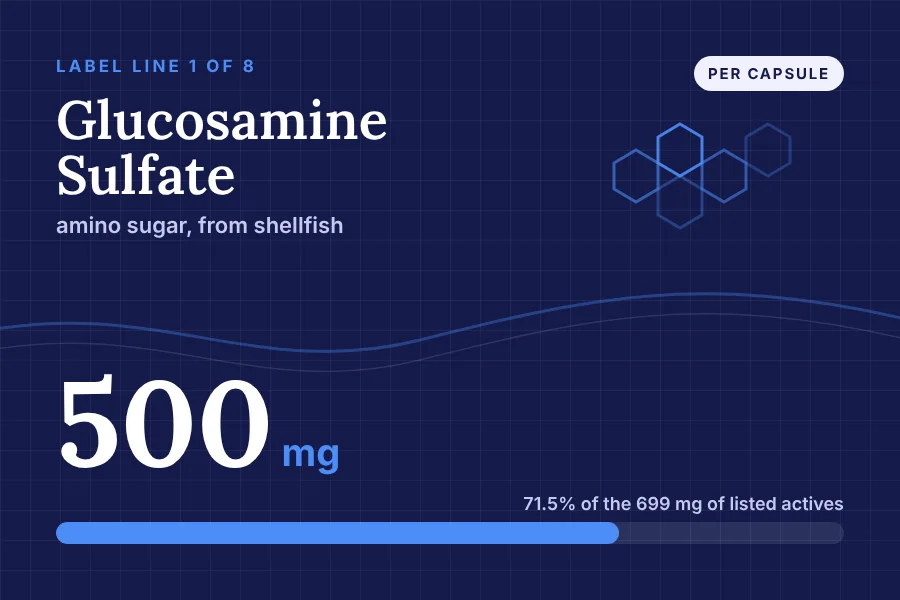
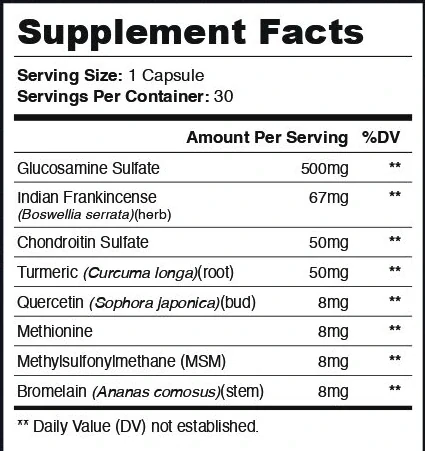
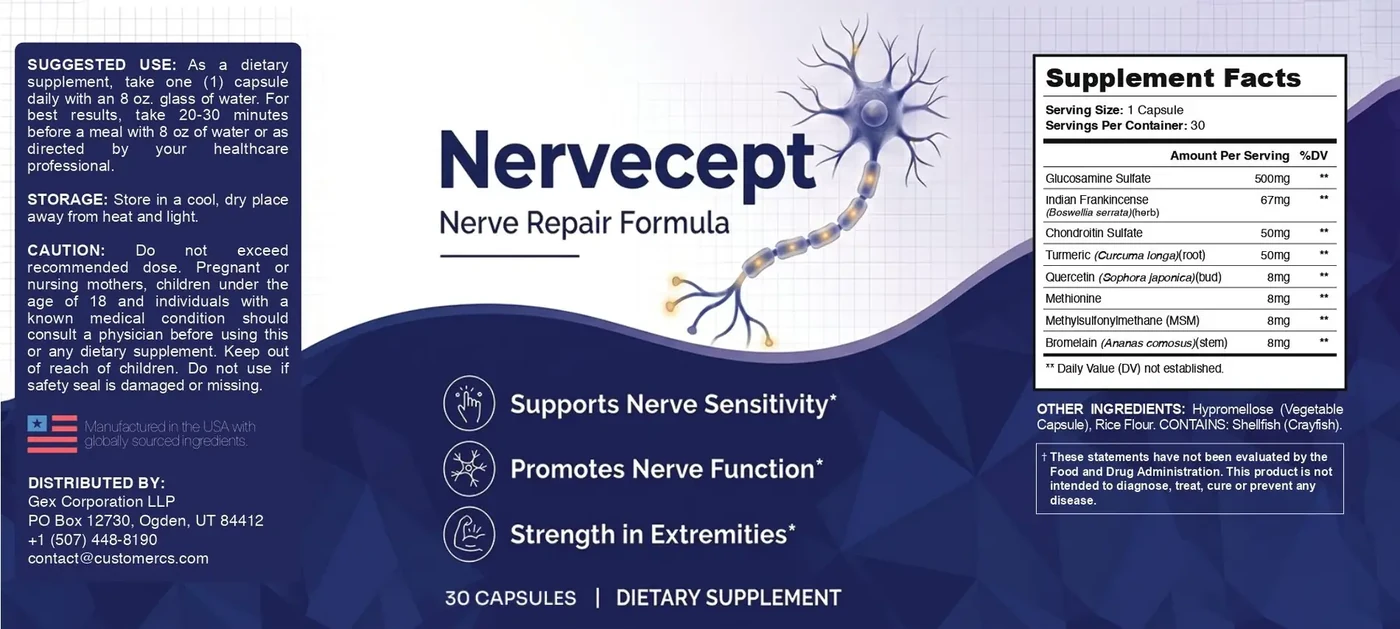
Yes. Each Nervecept capsule holds glucosamine sulfate 500 mg and chondroitin sulfate 50 mg. Together that is 550 mg of the pair the sources flag for warfarin users.
Three more lines carry their own cautions. MSK says turmeric may raise bleeding risk and advises against it with warfarin (MSKCC, Turmeric). It says the same about bromelain (MSKCC, Bromelain). A quercetin case report describes an INR rise that eased after the supplement stopped (MSKCC, Quercetin).
So a blood thinner meets five flagged lines in one capsule. No study has tested the mix. Whether 500 mg of glucosamine alone moves INR is also not settled in the sources we use.
| Ingredient | Per capsule | Caution |
|---|---|---|
| Glucosamine sulfate | 500 mg | May raise INR with chondroitin |
| Chondroitin sulfate | 50 mg | Bleeding risk with warfarin |
| Turmeric root | 50 mg | Avoid with warfarin (MSK) |
| Quercetin | 8 mg | One case of higher INR |
| Bromelain | 8 mg | Do not combine (MSK) |
The full label sits on the supplement facts page.
What should you tell your clinic?
Tell your clinic every supplement you take, with the brand, the dose and the start date. NCCIH says to tell all your providers what you use, since some products raise bleeding risk (NCCIH, Using Supplements Wisely).
Take the bottle, or a photo of its Supplement Facts panel, to the appointment. Ask three things.
- Is this safe with my warfarin?
- Should my INR be checked sooner?
- What bleeding signs should I watch for?
Call at once for black stools, blood in urine, nosebleeds that will not stop or large bruises you cannot explain. A fall or head injury needs urgent care.
Shellfish matters too. The glucosamine in Nervecept is made from crayfish, and the label says "CONTAINS: Shellfish (Crayfish)."
Is Nervecept a fit if you take a blood thinner?
Probably not without a doctor's approval. Warfarin is one of the cases the label's own caution covers, since it asks people with a medical condition to see a physician first.
The shellfish line and the blood-thinner lines are the two flags to settle before you order. Pregnancy, age under 18 and any medical condition are the others on the label.
Little proof exists that these capsules help nerves. See the ingredients page for each dose beside the research.
FAQ01
Nervecept questions people ask
Does glucosamine raise INR?
It may, mainly when paired with chondroitin. Memorial Sloan Kettering lists glucosamine with chondroitin as able to boost warfarin and raise INR (MSKCC, Glucosamine). How often this happens is not known from the sources we use.
Can I use glucosamine if my INR is stable?
Ask your clinic first. A stable INR can shift when a new product enters the routine. Your clinic may want an extra INR check after you start.
Is shellfish-free glucosamine safe with warfarin?
The sources do not say. The warfarin cautions apply to glucosamine itself, not only to the shell source. A shellfish-free label does not remove the need to ask your clinic.
Who wrote this02
Written and reviewed by
Pages built from the label, the sales page and linked NIH, FDA, CDC, FTC and peer-reviewed sources.
Last updated . Read our editorial standards and how we check reviews. This website is run by a Nervecept licensed U.S. outlet, not by the manufacturer or the distributor. We earn money when you buy through our order links.
Keep reading
More about Nervecept

Nervecept licensed U.S. outlet
Ready to try Nervecept?
Check the shellfish allergen and your medicines first, then pick a pack. Three or six bottles ship free in the US and cost less per bottle, with a 60-day money-back guarantee.
- Secure checkout on the sales page
- 60-day money-back guarantee
- Ships from the U.S.